
Possible 2026 was another triumph. Which is part of the problem
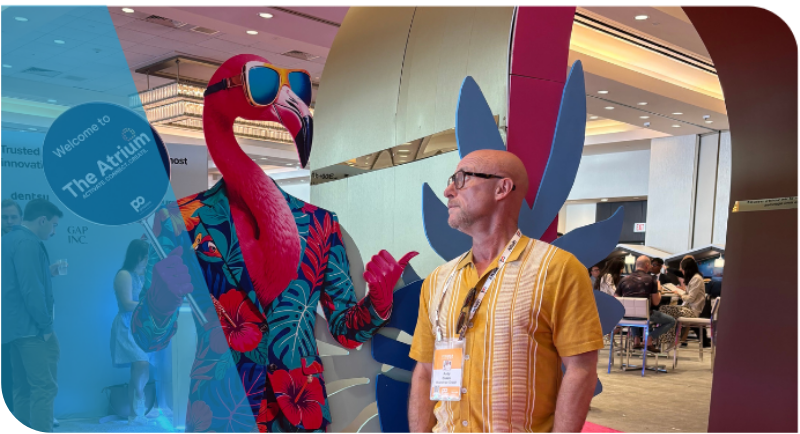
By Andy Oakes, CEO and Co-Founder (right),
Miami Beach in late April is, objectively, an excellent place to hold a marketing conference. The weather is warm, the ocean is there, the cocktails are strong, and nobody is thinking particularly hard about attribution modelling. POSSIBLE 2026 leaned into all of this with characteristic confidence, drawing more than 7,500 attendees, up from 5,400 the previous year, and announcing that its next act involves a Lisbon expansion. From a standing start of just 2,500 attendees in 2023, that's an impressive growth
Having long since outgrown the Fontainebleau, POSSIBLE expanded this year to the neighbouring Eden Roc Miami Beach, creating what organisers called a dual-campus experience connected by a boardwalk. What they perhaps didn't call it, but what it also is, is a very large, very expensive commitment of time and budget for the thousands of marketing and adtech professionals making the pilgrimage to Florida.
And here lies the tension that nobody at the poolside cabana networking sessions is particularly keen to discuss: the events calendar is, politely, absolutely heaving.
In the US alone, the serious adtech professional is now expected to have opinions about Possible, CES, the IAB NewFronts, Cannes Lions, and whatever Adweek has decided to host that week. In the UK, the picture is no less crowded. ExchangeWire's ATS London, the IAB UK's various tentpole moments, Programmatic Pioneers, MAD//Fest, the list goes on, with the sort of relentless momentum that suggests the events industry has collectively decided that the solution to a crowded market is more events.
This isn't entirely cynical. POSSIBLE, to its credit, has earned its reputation by doing something most conferences spectacularly fail at: actually curating who turns up. At the 2025 edition, 66% of attendees held VP-level titles or above. That's not a conference demographic, that's a room of decision-makers. When you can genuinely put a brand CMO in a meeting with a media platform's chief revenue officer on a beach, you have created something with real commercial value.
But POSSIBLE is the outlier, not the template. For every event that achieves that quality level, there are a dozen that exist largely to generate a badge-scan list for sales teams and a LinkedIn photo opportunity for anyone who attended. The UK market, smaller and more relationship-driven than the US, arguably feels this more acutely. There are only so many times a programmatic trading director can sit on a panel about cookieless futures before the format collapses under the weight of its own repetition.
What POSSIBLE's explosive growth and its newly announced Lisbon expansion actually signal is a genuine appetite for events done properly. Premium venue, senior audience, real conversations. The market isn't saturated with that. It's saturated with the other kind.
The adtech events industry in 2026 is going in two ways. On one side: destination conferences with real budgets, real speakers, and real ROI. On the other: the long tail of panels-in-hotel-basements that everyone attends out of habit and nobody could honestly justify on a spreadsheet.